Worried about a friend?
If you are worried about someone else’s gambling or gaming, you are not alone. It can feel uncomfortable, confusing, or stressful to notice something is not right, especially if you are not sure what to do next.
This page has some tips to help you look out for your mates, without putting everything on you.

You are not responsible for fixing it
It is really important to know this first.
You might be a close friend, but you are not a counsellor or a parent. You are not expected to solve the problem, and you do not need to have all the answers.
Being supportive is about noticing, listening, and helping them find support, not fixing things on your own.
Sometimes people don’t want to talk about it, and that’s fine too, but knowing you’re there could be important later.
Signs a friend might be struggling
Everyone is different, but you might notice things like:
- Talking a lot about gambling, betting, or spending money in games
- Getting stressed, angry, or withdrawn after gambling or gaming
- Borrowing money or asking others to cover costs
- Skipping school, college, or activities they used to enjoy
- Seeming distracted, tired, or low in mood
Seeing one sign does not always mean something is wrong, but patterns can matter.

GAMING, SPENDING & PRESSURE IN GAMES
Sometimes worries about a friend might be linked to gaming rather than traditional gambling.
This could include spending a lot of money in games, chasing rewards, buying loot boxes or mystery items, getting stressed after playing, or feeling unable to stop.
Gaming can be fun and social, so it is important not to judge or assume the worst. But if gaming or in-game spending is causing stress, arguments, money problems or changes in mood, it may be worth checking in.
How to start a Conversation
You do not need a perfect speech. Small, honest conversations are often best.
You could try one of these examples. Try to listen without judging or telling them what to do straight away.
“I’ve noticed you seem stressed after gambling or gaming. Are you OK?”
“I might be wrong, but I wanted to check in with you”
“You don’t have to talk, I just wanted you to know I care”
What helps, and what doesn't

Helpful
- Listening and taking them seriously
- Letting them talk at their own pace
- Encouraging them to get support
- Checking in again later
Not helpful
- Lecturing or threatening
- Sharing their situation without their permission (unless someone is unsafe)
- Taking on their problems as your own
- Always talking about it–eventually they may just avoid you
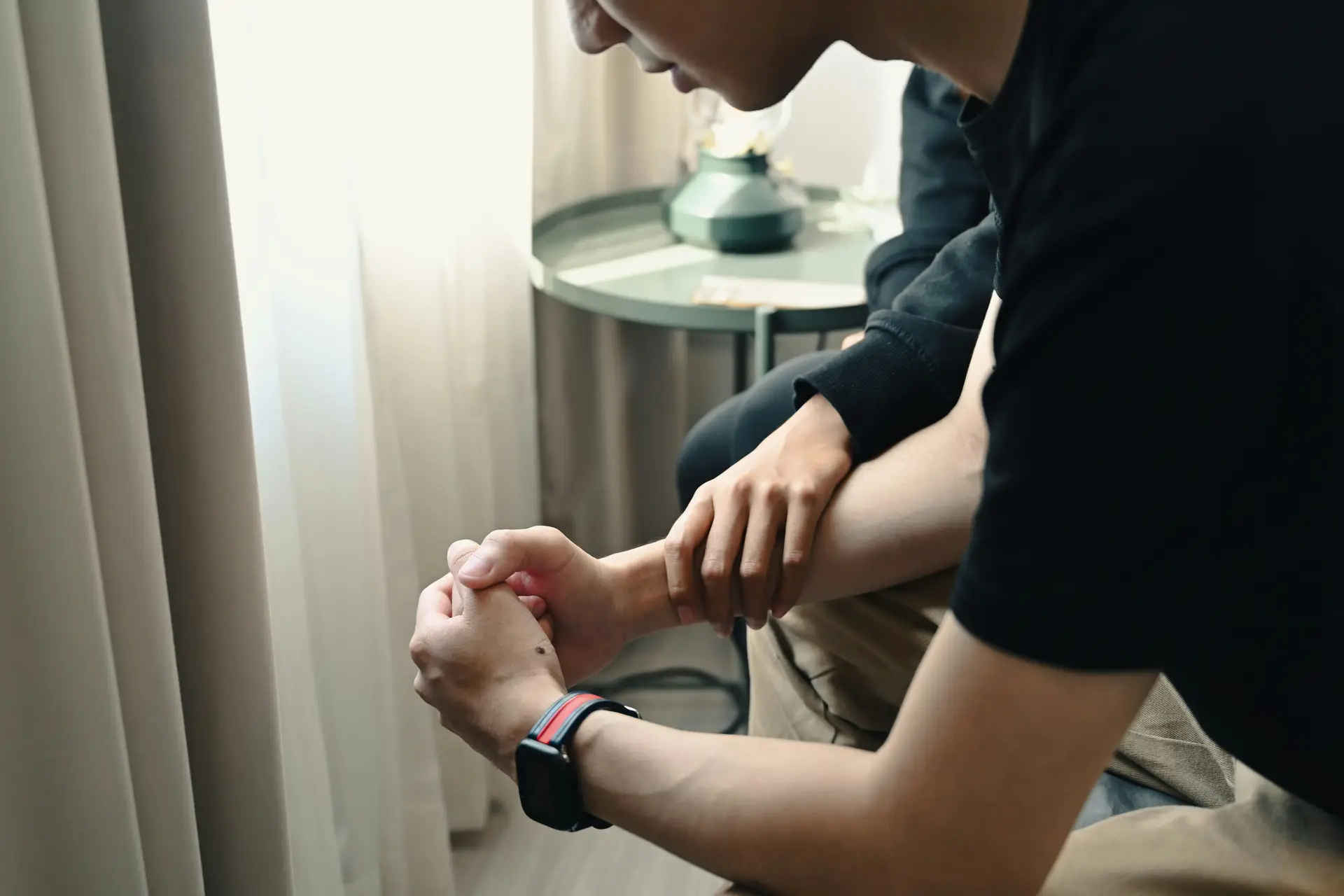
Getting support together
If your friend is open to it, you could:
- Look at support options together here
- Sit with them while they use the screening tool
- Encourage them to talk to a trusted adult, teacher, or support worker
They can also choose to get help on their own, and that is OK too.

When to get extra help
If you are worried about your friend’s safety, or things feel too heavy for you to manage, it is important to tell a trusted adult or professional.
Getting help is not betraying a friend, it is about keeping them safe.
If you are unsure who to talk to, this could be:
- A parent or carer
- A teacher, tutor, or college staff member
- A youth worker, school nurse, or counsellor
Asking for help is a way of caring about your friend, not letting them down.
If you ever think your friend is in immediate danger, it is important to tell an adult straight away or contact emergency services by calling 999. Getting help quickly can keep people safe.